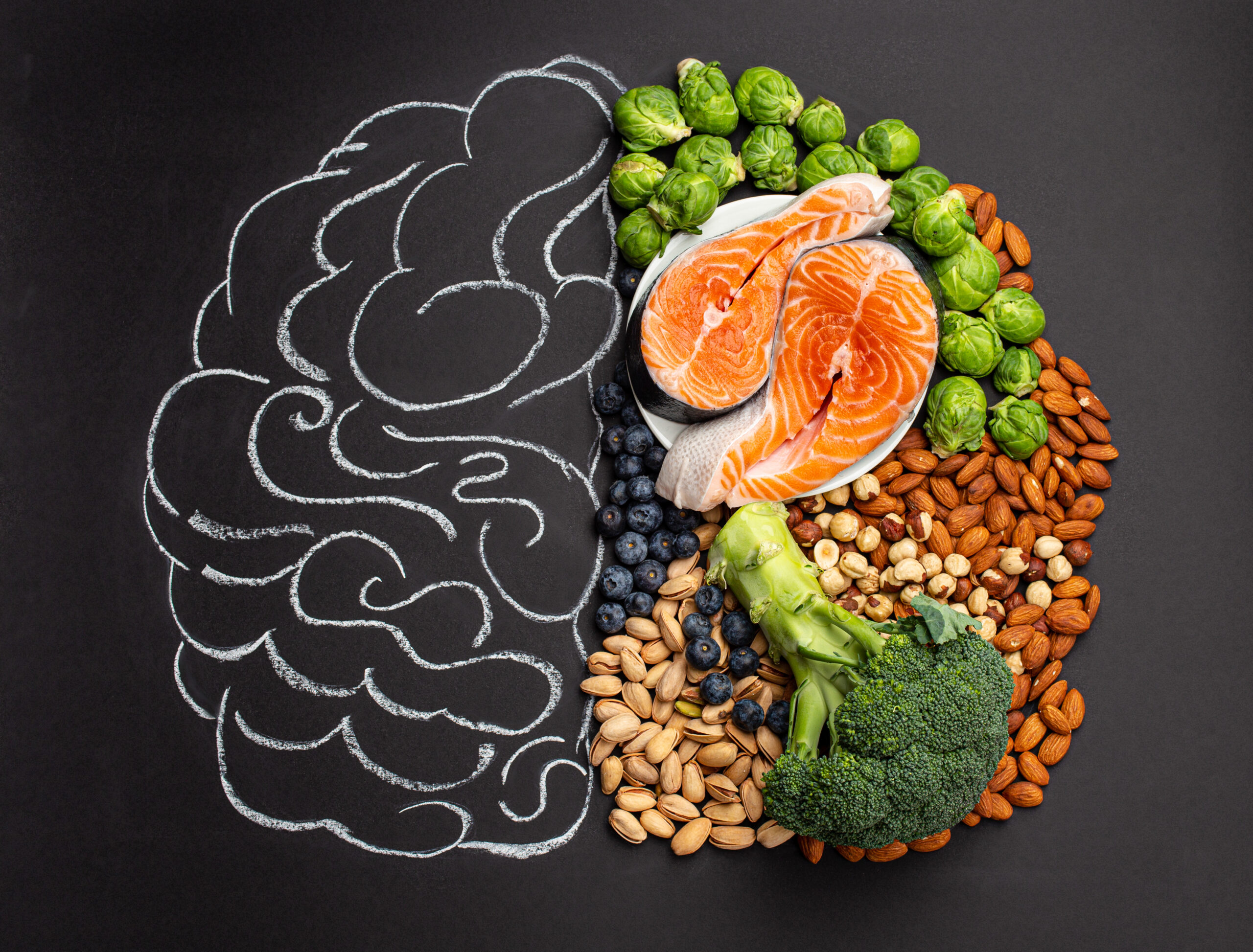
Nutrition plays a crucial role in our overall health, but its impact on mental well-being is often overlooked. The connection between what we eat and how we feel is supported by a growing body of research. In this article, we’ll explore how nutrition affects mental health and provide actionable tips for incorporating a balanced diet into your life.
Understanding the Mind-Gut Connection
Recent studies highlight the complex relationship between the gut and the brain, often referred to as the “gut-brain axis.” The gut houses trillions of microorganisms, known as the gut microbiome, which can influence brain function and mental health. These microorganisms produce neurotransmitters and other chemicals that can affect mood, anxiety, and overall mental well-being.
Key Nutrients for Mental Health
- Omega-3 Fatty Acids
- Found in fatty fish (like salmon and mackerel), flaxseeds, and walnuts, omega-3s are essential for brain health. Research suggests they can reduce symptoms of depression and anxiety.
- B Vitamins
- B vitamins, particularly B6, B12, and folate, play a vital role in neurotransmitter production. Foods rich in these vitamins include leafy greens, beans, eggs, and whole grains.
- Antioxidants
- Foods high in antioxidants, such as fruits (berries, oranges) and vegetables (spinach, kale), help combat oxidative stress, which is linked to mood disorders.
- Amino Acids
- Amino acids are the building blocks of proteins and are crucial for producing neurotransmitters. Ensure your diet includes adequate protein sources like lean meats, legumes, and dairy.
- Vitamin D
- This vitamin, often obtained through sunlight exposure, is linked to mood regulation. Foods such as fatty fish, fortified milk, and egg yolks can help boost your intake.
The Impact of Sugar and Processed Foods
A diet high in refined sugars and processed foods can negatively affect mental health. Research indicates that excessive sugar consumption may lead to an increased risk of mood disorders. Instead of reaching for sugary snacks, opt for whole foods that provide sustained energy and nutrients.
Strategies for a Balanced Diet
- Plan Your Meals
- Prepare a weekly meal plan that incorporates a variety of nutrient-dense foods. Aim for colorful plates with plenty of fruits and vegetables.
- Stay Hydrated
- Dehydration can impact mood and cognitive function. Aim to drink enough water throughout the day.
- Limit Caffeine and Alcohol
- While moderate caffeine can boost energy, excessive consumption may lead to anxiety. Alcohol can also disrupt mood stability, so consume it in moderation.
- Practice Mindful Eating
- Pay attention to your hunger cues and savor your meals. This practice can enhance your relationship with food and improve digestion.
- Seek Professional Guidance
- If you’re unsure about your dietary choices, consider consulting a registered dietitian or nutritionist who can tailor a plan to your needs.
Conclusion
Nutrition is a powerful tool for improving mental health. By making conscious dietary choices, you can enhance your mood, reduce anxiety, and promote overall well-being. Remember, small changes can lead to significant improvements over time. Start today by incorporating more whole, nutrient-rich foods into your diet, and pay attention to how they affect your mental health. Your mind and body will thank you!