The global smartphone market experienced a rebound in 2024, with a 4% year-on-year increase in sales, following two consecutive years of decline, according to a report released on Monday.
Improved consumer sentiment, driven by macroeconomic recovery, helped the market recover. Sales in 2023 had reached their lowest levels in a decade, as reported by Counterpoint Research.
“Smartphones remain a crucial part of daily life, and as macroeconomic pressures eased, the market began to recover in Q4 2023, showing growth for five consecutive quarters. Nearly all regions experienced growth, with Europe, China, and Latin America leading the way,” said Tarun Pathak, Research Director.
Samsung maintained its leadership in 2024, buoyed by strong demand for its S24 and A-series models. The S24 series, which was marketed as an AI device, outperformed earlier models and was particularly well-received in Western Europe and the U.S., the report noted.
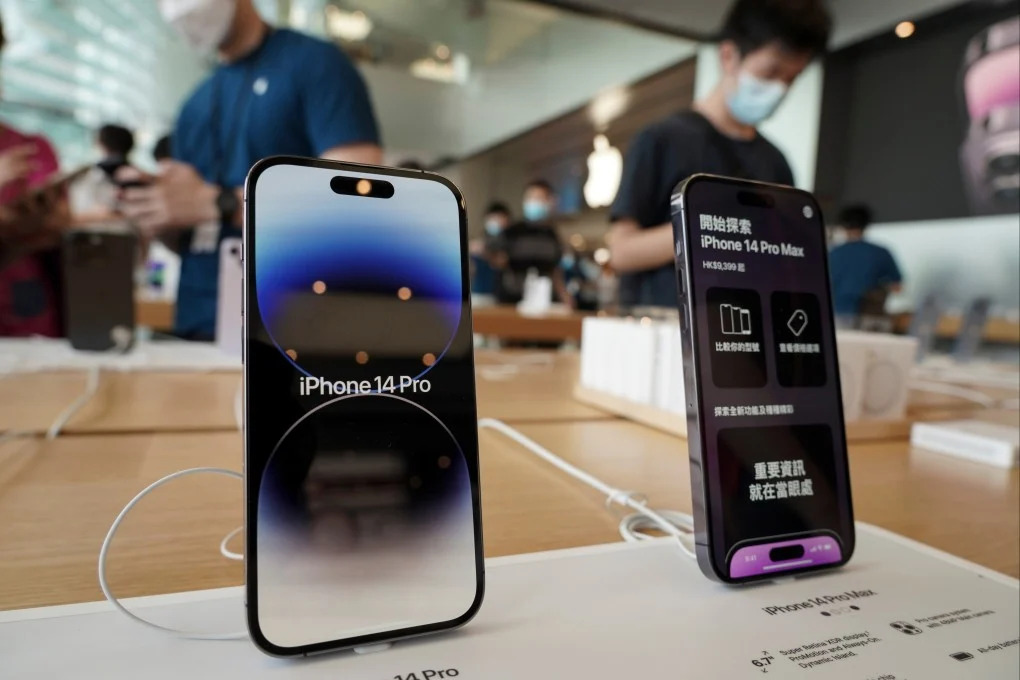
Apple ranked second with an 18% market share. Its iPhone 16 series received a mixed reception, partly due to a delay in the availability of Apple Intelligence at launch. However, Apple continued to experience strong growth in non-core markets, including Latin America, Africa, and Asia-Pacific.
Xiaomi was the fastest-growing among the top five brands, benefiting from its portfolio realignment, focus on premium products, and aggressive expansion.
OPPO ranked fourth, showing a year-on-year decline but finishing the year with stronger momentum. Vivo rounded out the top five, driven by solid performances in India and China, where it finished as the top OEM.
“While GenAI-capable smartphones are currently limited to the premium segment, we anticipate GenAI to become standard in mid-range devices by 2028, with 90% of smartphones priced above $250 being GenAI-capable,” the report said.
Sales of ultra-premium smartphones, priced above $1,000, saw the fastest growth in 2024 as consumers opted to spend more on their next device.
The report also predicts that in 2025, revenue growth will continue to outpace volume growth, with an 8% year-on-year increase in revenue compared to a 4% growth in sales volume.