In the rapidly evolving landscape of retail, augmented reality (AR) has emerged as a transformative technology with the potential to revolutionize how customers interact with products and brands. By blending digital elements with the physical world, AR is reshaping the shopping experience, making it more immersive, interactive, and personalized than ever before.
Enhancing Product Visualization
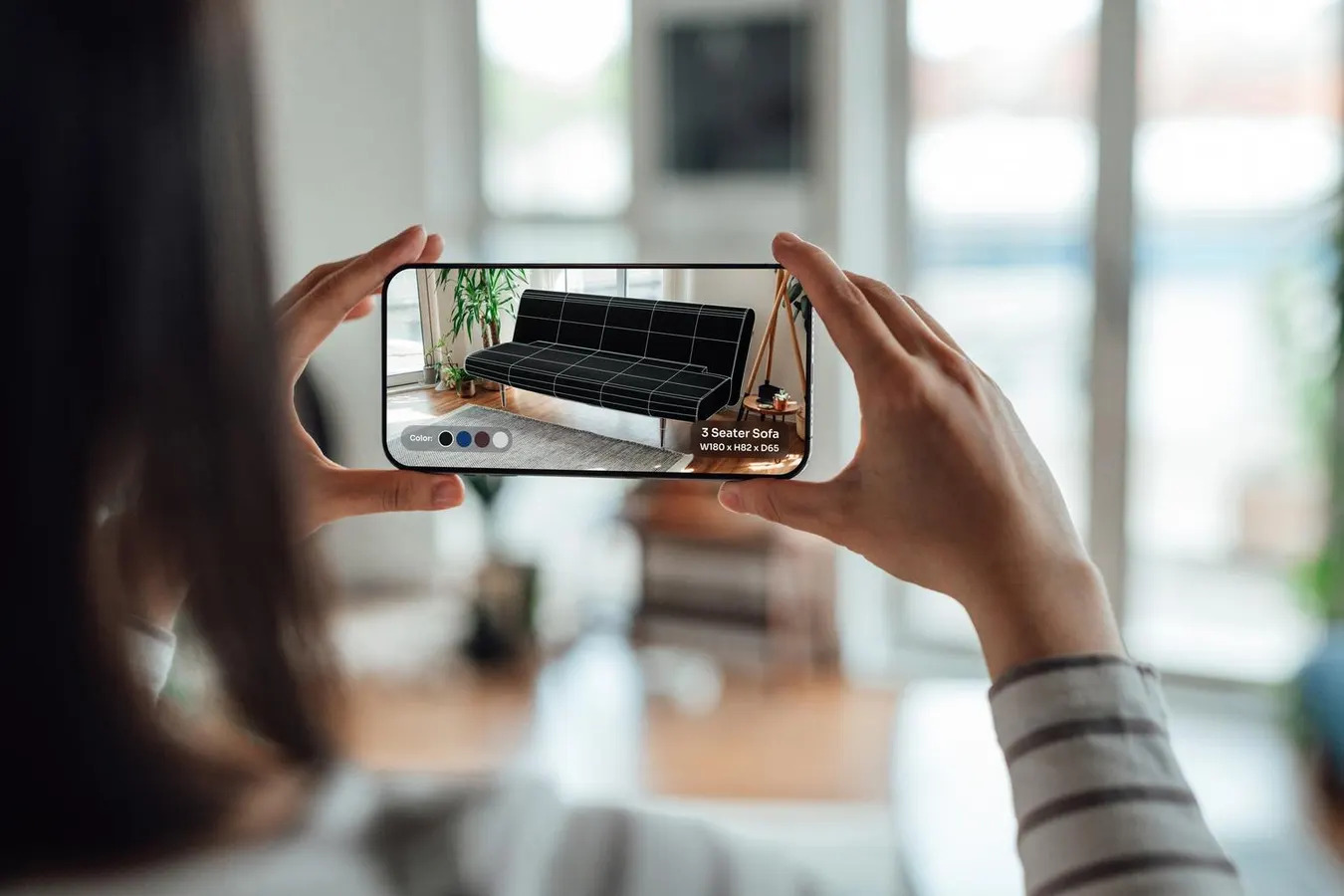
One of the key advantages of augmented reality in retail is its ability to enhance product visualization. Traditionally, customers rely on product images and descriptions when making purchasing decisions online or in-store. However, AR takes this a step further by allowing customers to visualize products in their own environment in real-time. For example, using AR-enabled mobile apps, customers can see how furniture would look in their living room or how a new pair of sunglasses would complement their outfit. This capability not only reduces uncertainty but also enhances confidence in purchasing decisions, leading to higher conversion rates and reduced return rates.
Personalized Shopping Experiences
AR also enables retailers to deliver personalized shopping experiences tailored to individual preferences and behaviors. Through AR-powered applications, retailers can offer customized product recommendations based on a customer’s purchase history, browsing patterns, and even their physical location within the store. By delivering relevant content and offers in real-time, retailers can significantly enhance customer engagement and satisfaction, ultim ately driving loyalty and repeat business.
Bridging the Online-Offline Gap
Another significant impact of AR in retail is its ability to bridge the gap between online and offline shopping experiences. With the rise of e-commerce, many customers still prefer the tactile experience of physically interacting with products before making a purchase. AR solutions address this by allowing customers to virtually try on clothes, test out cosmetics, or see how home appliances fit into their space, all from the comfort of their homes. This seamless integration of digital and physical shopping experiences not only enhances convenience but also helps retailers capture a larger share of the omnichannel market.
Marketing and Brand Engagement
Beyond enhancing the shopping experience, augmented reality offers retailers innovative ways to market their products and engage with customers. AR-powered advertising campaigns and interactive experiences can captivate audiences, drive brand awareness, and encourage social sharing. For example, interactive AR games or virtual try-ons can create buzz around new product launches and increase foot traffic both online and in-store.
Future Outlook
Looking ahead, the adoption of augmented reality in retail is expected to continue growing as technology becomes more accessible and consumer expectations evolve. Retailers that embrace AR not only differentiate themselves in a crowded marketplace but also position themselves as leaders in innovation and customer experience. As AR technology advances, incorporating features such as AI-driven personalization and seamless integration with other emerging technologies like virtual reality (VR), the possibilities for enhancing the retail experience are limitless.
In conclusion, augmented reality is reshaping the future of retail by enhancing customer engagement, bridging online and offline experiences, and revolutionizing how products are visualized and marketed. As retailers navigate this digital transformation, those who leverage AR effectively stand to gain a competitive edge and deliver unparalleled value to today’s tech-savvy and experience-driven consumers.