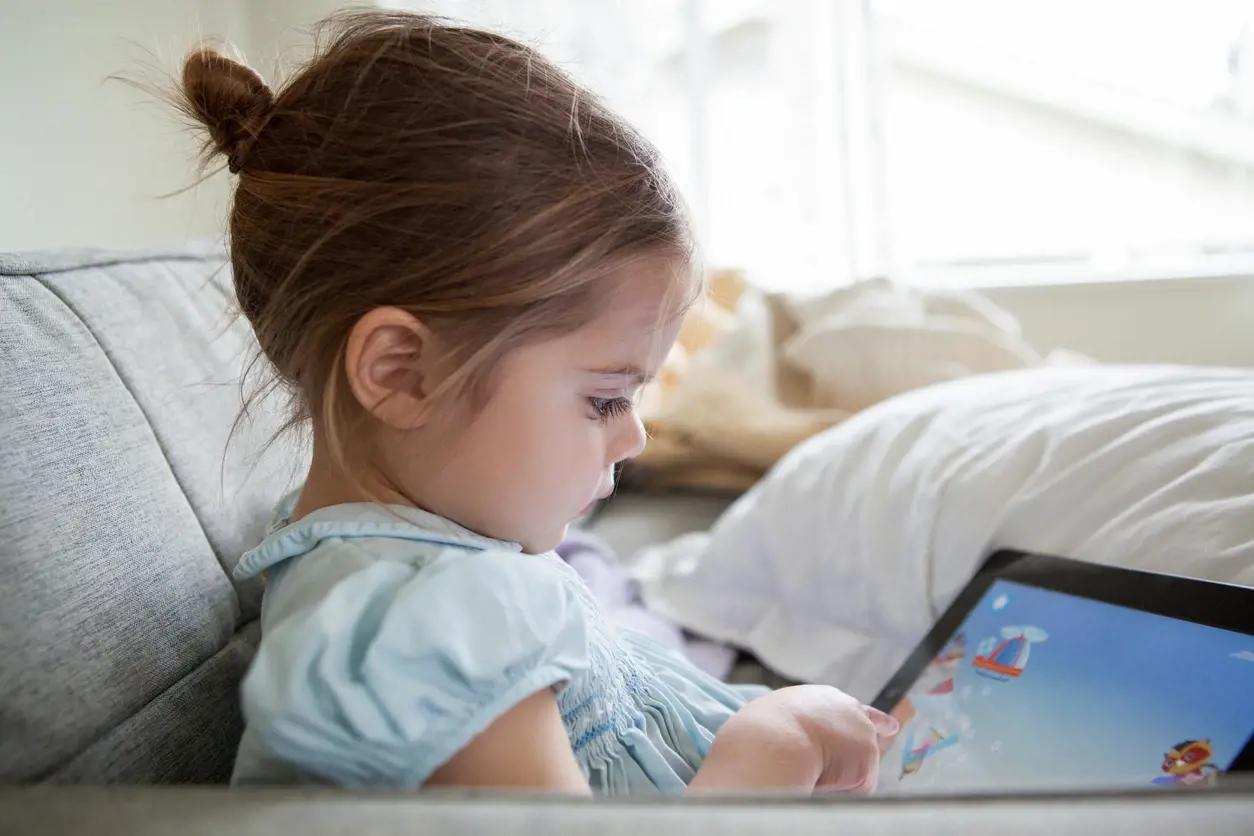
An international study has found that increased exposure to screens, such as television and smartphones, may hinder language development in toddlers.
Led by researchers from 20 Latin American countries, the study revealed that book exposure and shared screen time with adults could enhance language skills in young children.
The study analyzed data from 1,878 toddlers aged 12 to 48 months across Latin America between August 2021 and March 2023. The toddlers’ screen use, book exposure, language abilities, and developmental progress were assessed through parent-reported surveys. Socioeconomic factors, such as parental education, occupation, and basic needs, were also considered.
Published in the journal PLOS ONE, the findings indicated that television and background TV were the most commonly used media, with daily exposure often exceeding one hour, which negatively impacted language development. Entertainment content was the most consumed, followed by music and educational programs. Families with lower socioeconomic status reported less book usage and fewer educational resources.
Toddlers with higher screen exposure demonstrated lower lexical density and experienced delays in language milestones. Conversely, those with more exposure to books or shared screen time with adults showed stronger language skills.
The study found no significant link between screen use and motor development.
The results support previous research suggesting that excessive screen time can impair early language development. However, shared engagement with adults and suitable content can help mitigate some of these negative effects. As screen usage is likely to increase and evolve, the researchers suggest future studies focus on isolating these variables and their impacts.