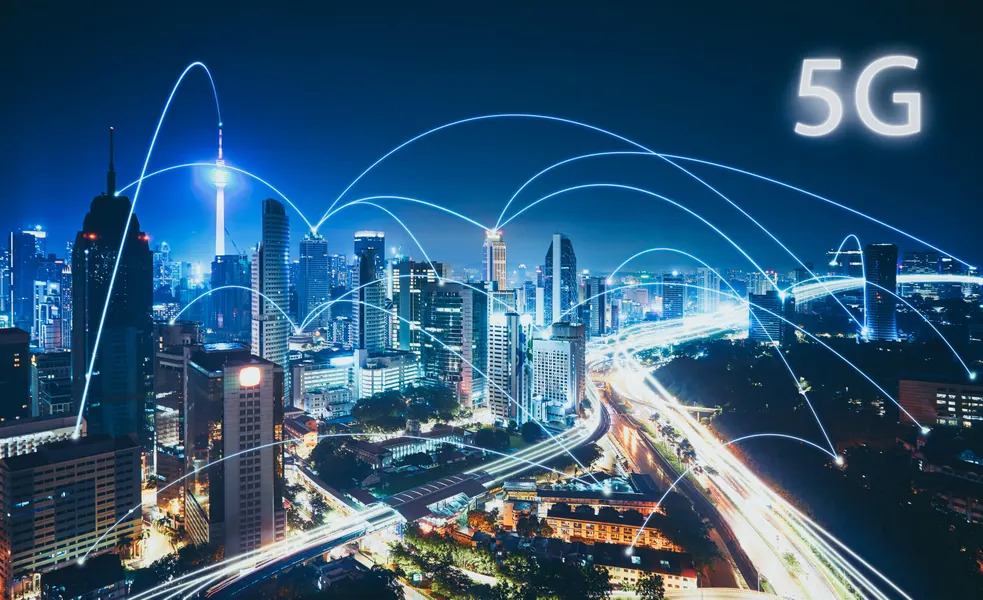
In the realm of telecommunications, 5G technology stands at the forefront of a transformative leap that promises to revolutionize connectivity, redefine digital experiences, and catalyze innovation across industries. This article explores the profound impact of 5G technology, examining its capabilities, applications, and the potential implications for businesses and consumers alike.
Understanding 5G Technology
5G, or fifth-generation wireless technology, represents a significant evolution from its predecessors (3G and 4G LTE) in terms of speed, capacity, and latency. Unlike previous generations focused primarily on mobile broadband, 5G is designed to deliver a more robust and versatile network capable of connecting not just people, but also machines, devices, and objects in the Internet of Things (IoT).
Key Benefits of 5G Technology
- Ultra-Fast Speeds: 5G networks promise download speeds up to 10 gigabits per second (Gbps), significantly faster than 4G LTE. This enables quicker downloads of large files, seamless streaming of high-definition content, and immersive virtual reality experiences.
- Low Latency: 5G networks achieve ultra-low latency, reducing response times to as little as 1 millisecond. This is critical for applications requiring real-time interaction, such as autonomous vehicles, remote surgery, and augmented reality gaming.
- Massive Connectivity: 5G networks can support a massive number of connected devices per square kilometer (up to 1 million devices), making it ideal for dense urban environments and IoT deployments. This scalability opens new possibilities for smart cities, industrial automation, and interconnected devices.
- Enhanced Reliability: Advanced features such as network slicing allow 5G networks to allocate dedicated portions of the network to specific applications or users, ensuring reliable performance and quality of service tailored to diverse needs.
Applications Across Industries
The impact of 5G extends beyond faster smartphones and improved internet browsing. Industries across sectors are poised to benefit from its capabilities:
- Healthcare: Telemedicine and remote surgery enabled by 5G’s low latency and high reliability will revolutionize healthcare delivery, especially in remote areas lacking access to specialized care.
- Manufacturing: Smart factories equipped with 5G-enabled IoT devices can achieve real-time monitoring, predictive maintenance, and seamless automation, optimizing production efficiency and reducing operational costs.
- Transportation: Connected vehicles and intelligent transportation systems powered by 5G will enhance road safety, enable autonomous driving, and improve traffic management through real-time data analytics.
- Entertainment and Media: 5G’s high-speed, low-latency capabilities will enable immersive experiences such as augmented reality (AR) and virtual reality (VR), transforming how content is consumed and interactive media is experienced.
Challenges and Considerations
While 5G technology offers significant potential, its deployment presents several challenges:
- Infrastructure Investment: Building out 5G infrastructure, including small cells and fiber optic networks, requires substantial investment and regulatory approvals.
- Security and Privacy: Protecting data transmitted over 5G networks from cyber threats and ensuring compliance with privacy regulations are critical considerations for businesses and consumers.
- Interoperability: Ensuring compatibility and seamless integration between different generations of networks (3G, 4G, and 5G) and devices is essential for smooth transition and user experience.
Future Trends and Innovations
Looking ahead, the evolution of 5G technology is expected to continue, driven by advancements in edge computing, artificial intelligence, and IoT integration. Key trends include:
- Edge Computing: Processing data closer to the source (at the edge of the network) to reduce latency and enhance efficiency in data-intensive applications.
- AI and Machine Learning: Leveraging AI algorithms to optimize network performance, predict demand, and personalize services based on user behavior.
- 5G-Enabled Smart Cities: Integrating 5G networks with smart city initiatives to improve urban services, enhance public safety, and promote sustainable development.
Conclusion: Embracing the 5G Revolution
In conclusion, 5G technology represents a monumental shift in connectivity that transcends traditional boundaries, unlocking new possibilities for innovation, economic growth, and societal progress. As businesses and consumers embrace the 5G revolution, addressing challenges and leveraging its transformative capabilities will be essential for realizing its full potential. By fostering collaboration, investment in infrastructure, and ethical deployment practices, 5G has the power to reshape industries, redefine digital experiences, and propel us towards a more connected and intelligent future.