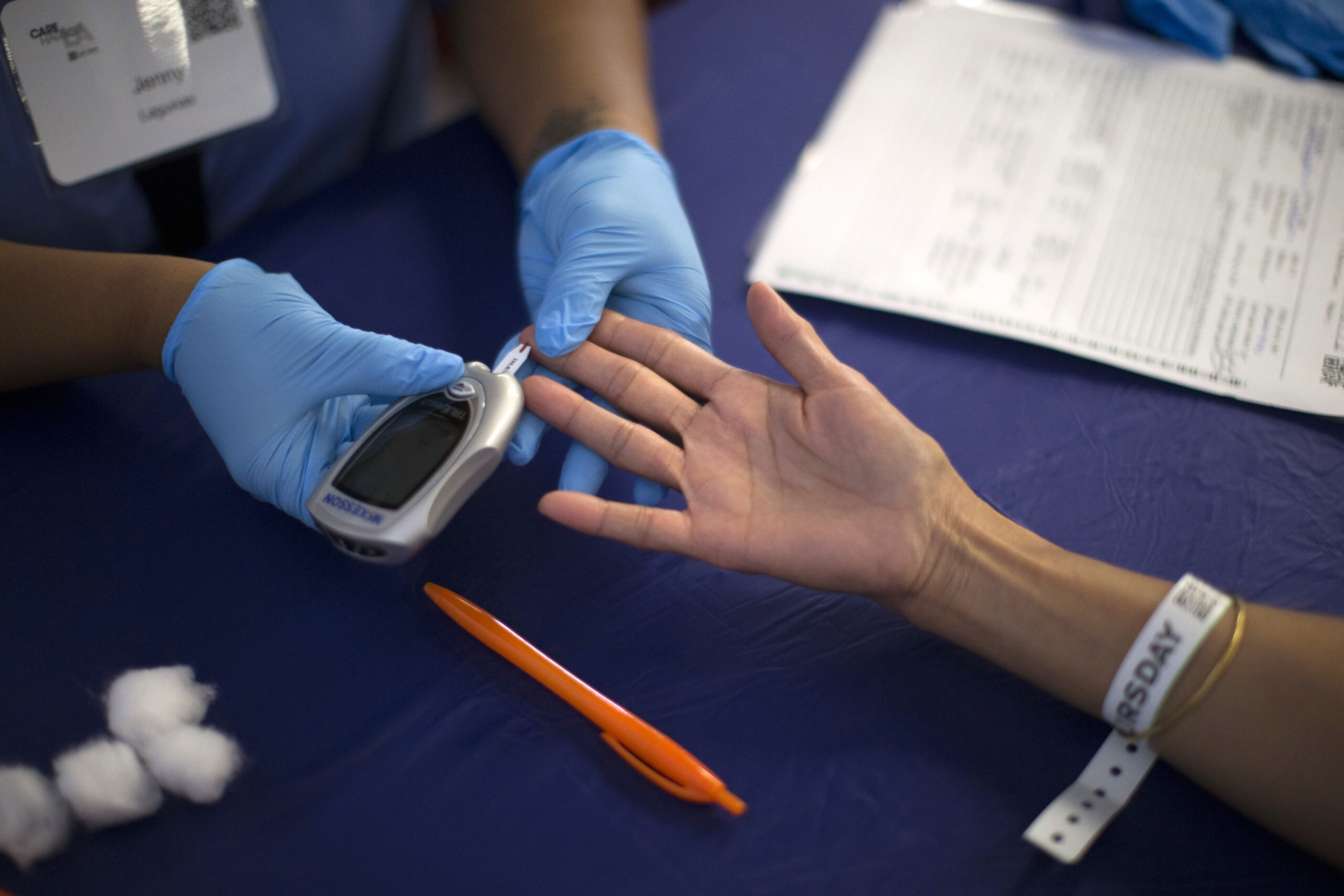
For the first time, a team of scientists has launched a groundbreaking AI dataset derived from a study examining biomarkers and environmental factors that could impact the development of type 2 diabetes.
The study includes participants with varying stages of diabetes, as well as individuals without the condition, revealing early findings that suggest a unique set of insights, distinct from prior research, as reported in Nature Metabolism.
“We’re seeing evidence of heterogeneity among type 2 diabetes patients — that not everyone is facing the same challenges. With such large and detailed datasets, researchers will have the opportunity to explore this in depth,” said Dr. Cecilia Lee, a professor of ophthalmology at the University of Washington School of Medicine.
One key example is data from a specialized environmental sensor placed in participants’ homes, which reveals a clear connection between disease progression and exposure to small particulate pollution.
The dataset also includes survey responses, depression scales, eye imaging scans, and traditional measures of glucose and other biological variables.
“All these data are intended to be explored by artificial intelligence to uncover new insights into risks, prevention strategies, and the pathways between health and disease,” the researchers stated.
The study’s goal is to collect health data from a more diverse racial and ethnic group than previous research has included, ensuring the data is both technically and ethically suitable for AI analysis.
“This discovery process has been truly exciting. We’re a consortium of seven institutions and multidisciplinary teams that had never worked together before, but we share the goal of utilizing unbiased data while safeguarding its security as we make it accessible to researchers worldwide,” said Dr. Aaron Lee, also a professor of ophthalmology at UW Medicine and the project’s principal investigator.
The data is hosted on a custom online platform and made available in two versions: a controlled-access set, requiring a usage agreement, and a public version with HIPAA-protected information removed.